
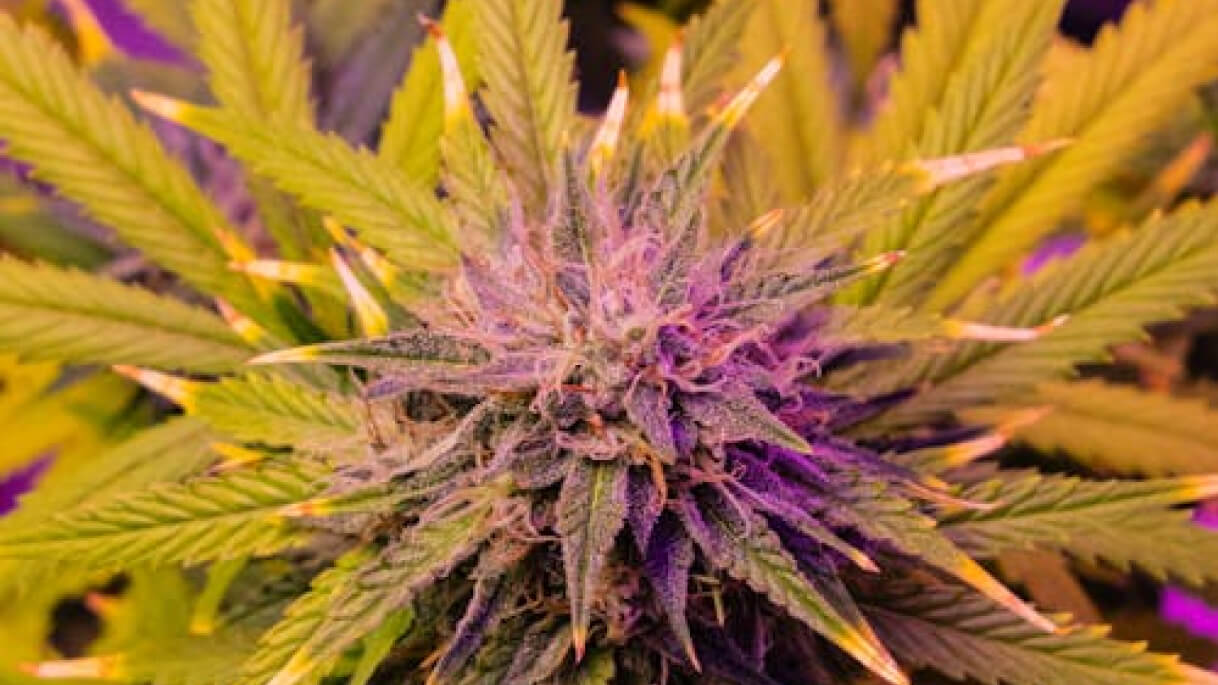
Every customer who asks about indica, sativa, and hybrid has already heard some version of the story. Indica for nighttime. Sativa for daytime. Hybrid somewhere in the middle. That framing is useful as a first pass — but if you stop there, you'll end up disappointed by a handful of flowers that don't play by the rules. When you buy weed in Barrie, this is the first question I want a first-time customer to get a real answer to.
The old story
Here's the classic breakdown, the one you'll still see on most product packaging:
- Indica: short, bushy plant with broad leaves. Associated with body-heavy relaxation, "couch lock," evening use, sleep support.
- Sativa: tall, thin plant with narrow leaves. Associated with cerebral, energetic, creative, daytime-leaning effects.
- Hybrid: a cross between the two, leaning one way or the other depending on the parents.
The botanical differences are real — indica and sativa were originally named for the plants' growth habits and geography (central Asia vs. equatorial regions). The problem is that the leaf shape doesn't cleanly predict how a given flower makes you feel.
Why the old story is outdated
After decades of crossbreeding, virtually every flower on a legal shelf is a hybrid — genetically speaking, there's almost no "pure" indica or "pure" sativa in the modern market. And even when a plant is predominantly one lineage, the effect you actually experience is shaped more by the specific mix of cannabinoids and terpenes than by the indica/sativa label.
Put simply: two "indicas" can feel completely different, and an "indica" and a "sativa" with similar terpene profiles can feel almost identical. The category is a starting hint, not a promise.
How terpenes shape effects
Terpenes are the aromatic compounds that give cannabis (and pine needles, and mangoes, and lavender) their smell. There are dozens in cannabis but a handful dominate most strains:
- Myrcene — earthy, mango, clove. Associated with the heavy, sedative feeling people call "indica." Most strains traditionally labelled indica are myrcene-dominant.
- Limonene — citrus, lemon peel. Associated with uplifted, brighter mood. Common in hybrids and some sativas.
- Pinene — pine, rosemary. Linked to clarity and focus.
- Caryophyllene — peppery, spicy. The one terpene that also acts on the endocannabinoid system. Common across categories.
- Linalool — floral, lavender. Calming, relaxing.
When we describe a strain at the counter, we're reading the terpene profile first and the indica/sativa label second. For the full rundown, see our terpenes explained guide.
Indica traits (and some real examples)
When a flower lands firmly in the "indica feel" camp, you can usually expect:
- Heavier body sensation — a physical weight, sometimes a warmth
- A sedating, wind-down quality rather than a stimulating one
- Muscle relaxation; often used for sleep or end-of-day
- Earthier, muskier, sweeter aroma in most cases
Classic examples: Northern Lights (a truly old-school indica, pine and earth), Granddaddy Purple (grape-and-berry-leaning, heavy body), Bubba Kush (coffee and cocoa, relaxing). When one of these shows up on our shelf, you'll find it under indica flower.
Sativa traits (and some real examples)
Strains that drive a sativa feel tend to bring:
- More cerebral activity — racing thoughts, ideas, conversation
- Uplifting or energizing mood shifts
- Better for daytime tasks, creative work, or social settings
- Brighter, more citrus or fuel-forward aromas often
Classic examples: Jack Herer (pine-and-lemon, reliably energetic), Durban Poison (sweet anise, clean focus), Sour Diesel (gas-forward, fast-hitting). Browse our current sativa shelf to see what's in.
Hybrids and phenotypes
Most of what sits on our shelf is hybrid, usually described as "indica-dominant hybrid" or "sativa-dominant hybrid" based on the genetic mix. But even within a single named hybrid, you'll find phenotypes — slightly different expressions of the same genetics, based on how the specific plant was grown. That's why two jars of "Blue Dream" from different growers can feel noticeably different.
Well-known hybrids worth knowing:
- Blue Dream — sativa-leaning hybrid. Berry and vanilla, balanced and easy.
- Girl Scout Cookies (GSC) — indica-leaning hybrid. Sweet and earthy, strong but rounded.
- Wedding Cake — indica-leaning, rich vanilla-and-pepper, a current shelf favourite.
- Gelato — balanced hybrid. Dessert-sweet, strong terpene punch, widely crossed with other genetics.
A good rule of thumb: the indica/sativa label tells you the rough shape of the evening. The terpenes and the cure tell you the details of how it'll actually feel.
Reading a strain for the effect you want
Here's how to use the information on the package, in order of what actually matters:
- Start with the terpene profile (if the producer lists it — some do, some don't). Myrcene-dominant? Expect body. Limonene or pinene on top? Expect more clarity and lift.
- Smell the jar if you can. Bright citrus and pine tend to lean energizing. Deep, sweet, musky aromas tend to lean sedating.
- Use the indica/sativa/hybrid label as a tiebreaker, not a starting point.
- Pay attention to THC and, if listed, CBD. Very high-THC flowers (25%+) hit hard regardless of label. A little CBD softens the edge of a strong high — and see our responsible use guide before reaching for the loudest jar on the shelf.
- Ask your budtender. We smoke this stuff. We'll tell you what it felt like.
If you're shopping blind and want a safe starting point: ask for a balanced hybrid with moderate THC, myrcene or limonene on top, and a familiar aroma (cookies, berry, citrus). That's a combination that works for most people, most of the time — the honest advice behind the glossy marketing.
Next read: cannabis grades explained, or browse all flower on the menu.