
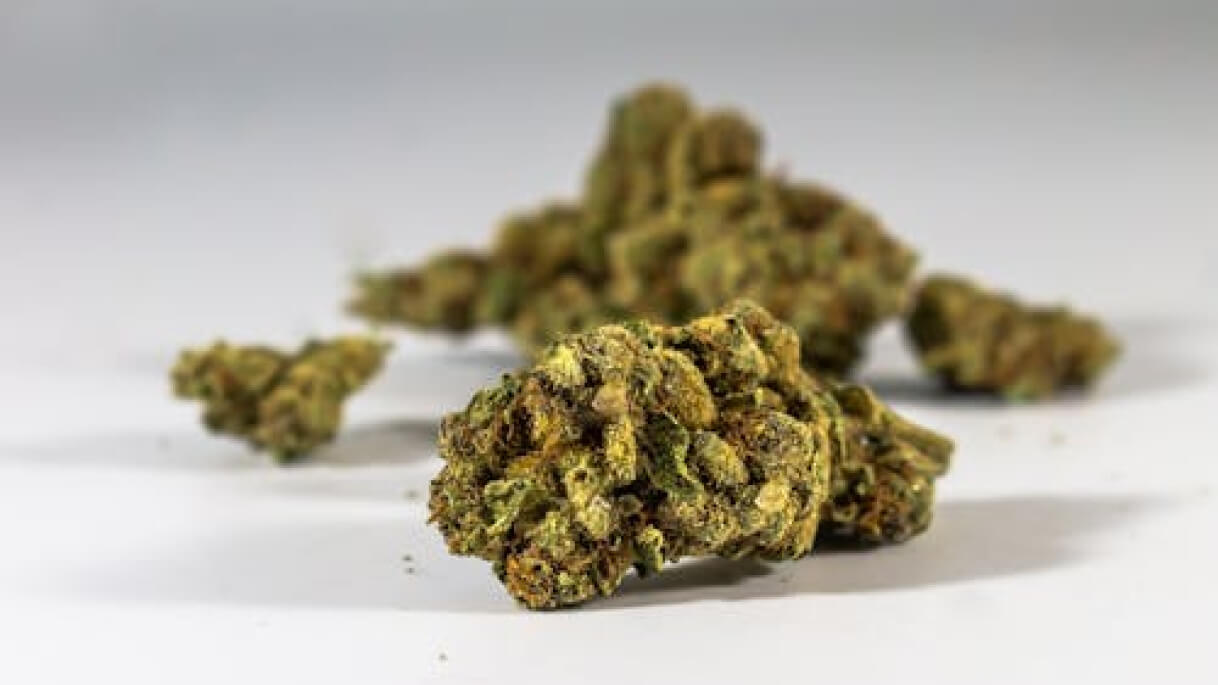
The letter-grade system — AAA, AAAA, AAAAA, sometimes written A+, AA, AAA+ — started out on the legacy market in British Columbia and spread across Canada as an informal quality shorthand. It's not regulated. There's no board that audits whether a supplier's "AAAA" is actually a AAAA. But across the industry, the grades have settled into a rough consensus, and once you understand what the people doing the grading are actually looking at, the system is useful. At Best Value Weed, we use the same scale you'll see across Canada, applied honestly — this guide walks through what we're actually checking when a jar gets a letter on it.
What grades actually measure
A grade is a summary of four things, looked at together:
- Trichome density. Trichomes are the frosty crystal-looking glands on the bud — they hold most of the cannabinoids and terpenes. More of them, evenly distributed, generally means more potency and more flavour.
- Bud structure. Tight, dense, well-formed buds with a healthy calyx structure score higher than loose, airy, or leafy buds.
- Cure. A well-cured flower breaks apart with a satisfying give, burns to a clean white-grey ash, and doesn't feel like wet hay or dusty straw. Cure is where most cheap weed falls apart.
- Aroma. The nose tells you almost everything. Sharp, loud, specific terpene profiles — gas, citrus, pine, dessert — are a marker of careful growing. Muted or hay-like aromas are a red flag.
Graders don't run these through a scoring rubric. It's holistic. A bud with loud aroma but airy structure might land at AAAA; a dense bud with a weak nose might also land at AAAA for different reasons.
The Canadian letter-grade system explained
Here's roughly how the shelves break down in most shops, ours included:
AAA: the workhorse
AAA is the everyday shelf. Decent bud structure, visible trichomes, acceptable cure, readable aroma. The stuff you roll without thinking about it. Most daily smokers who aren't chasing a specific experience are perfectly happy here — and paying anything above AAA prices for a joint you're sharing at a bonfire is how you burn money.
AAA+ and AAAA: the middle shelves
AAA+ and AAAA are where most of the considered buying happens. Better structure, more trichome coverage, more interesting terpenes, cleaner cures. If AAA is "this works," AAAA is "this is memorable." The price-to-quality curve is usually most favourable in this range.
AAAA+ and AAAAA: top shelf
AAAAA (also written A5 or "quads-plus") is top shelf. Dense, almost dripping in trichomes, loud on the nose, perfectly cured. The jar itself tells you — cracking the lid should fill the room. If you're buying for a special occasion, a flavour-chaser palate, or a concentrate-level experience without the concentrate, this is where it lives. Our AAAAA shelf rotates, so what's there this week may not be there next week.
Exotics: a separate category
"Exotic" is a marketing term, not a grade. It usually refers to rare genetics, limited drops, or imported phenotypes — strains you won't see on a regular shelf. An exotic can be a AAAA or a AAAAA by quality; the label is about scarcity, not about a sixth letter on the grading scale.
A good AAAA from a grower who nailed the cure will often smoke better than a rushed AAAAA from a producer racing to fill a contract. Grade is a strong signal, but it isn't the whole story.
Is AAAAA always "better"?
No. It depends what you're doing with it.
- Rolling a joint for a party? AAA or AAAA is plenty. Top shelf in a group joint is just expensive smoke.
- Sitting down with your grinder and a nice piece of glass on a Friday night? AAAA+ or AAAAA is where the experience lives.
- Making edibles or running your own rosin? Don't pay for AAAAA — you're going to decarb or press the flavour out anyway. AAA with strong potency is smarter.
- New to cannabis and figuring out your tolerance? Start with AAA. Give yourself room to calibrate before chasing the loudest jar on the shelf.
How to shop smart
A few habits that save regulars a lot of money over a year:
- Smell the jar. Every legal shop should let you do this. If the aroma doesn't match the grade, walk away.
- Look at the break, not just the surface. A bud can be pretty on the outside and hollow inside. Ask us to break one open.
- Check the pack date. Flower that's been in a jar for eight months has lost terpenes, full stop. We'll tell you the date if you ask.
- Mix your stash. A daily-driver AAA plus a weekend AAAA+ is a healthier budget than buying AAAAA every Friday.
The grading system is a shortcut, not a ranking of worth. Once you know what your budtender is looking at when they grade a jar, you're in a position to argue with them — and that's when the conversations at the counter get actually useful.
Next up, you might like our guide on indica vs. sativa vs. hybrid or terpenes and how they shape effect.