
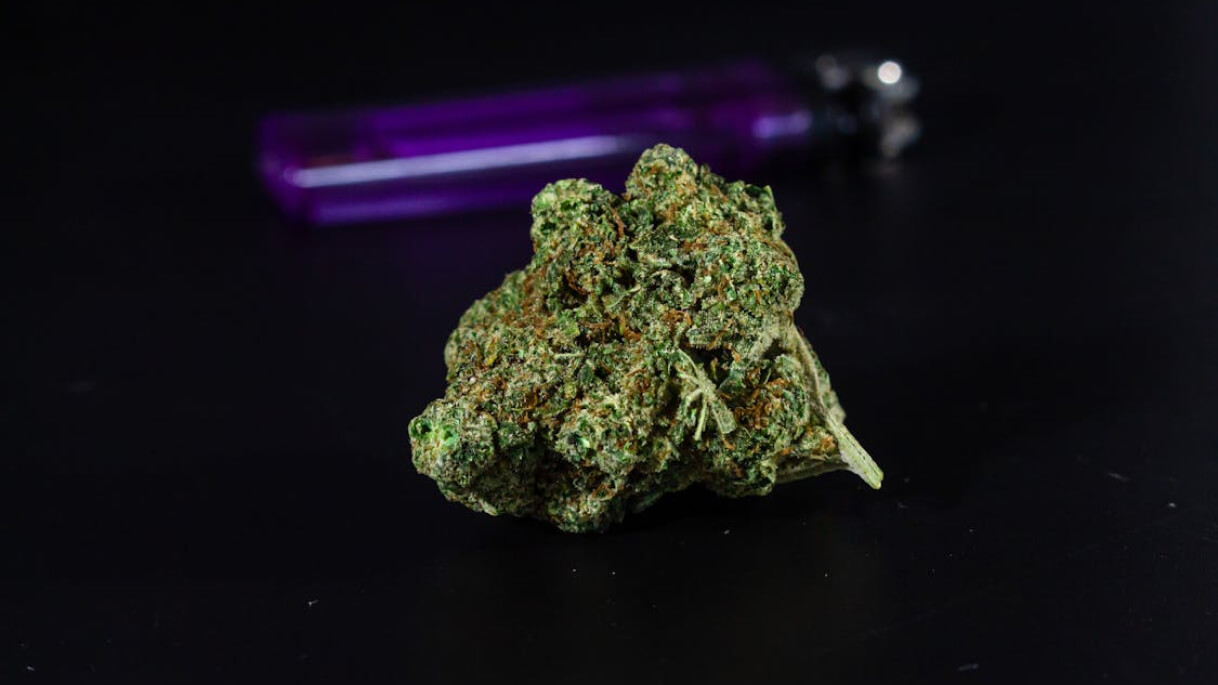
Terpenes are the reason one "indica" can be sleepy and meditative while another is more like a warm sedative nap. They're why a "sativa" can hit you with citrus clarity or feel more like gas-station racing fuel. If cannabinoids like THC and CBD are the volume knobs, terpenes are the EQ. This is the conversation we have most often at Best Value Weed, and it's the single biggest upgrade to how you shop for flower.
What terpenes are
Terpenes are aromatic compounds produced by many plants — pine trees, lavender, oranges, hops, black pepper, rosemary, and a long list of others. They give plants their characteristic smell and, in evolutionary terms, serve as natural insect repellents, pollinator attractants, and antimicrobial agents.
Cannabis happens to produce an unusually rich variety of terpenes, concentrated in the same trichomes that produce cannabinoids. When you smell a jar of flower, what you're actually smelling is the terpene profile — the unique blend of half a dozen or so aromatic molecules specific to that strain and that specific grow.
The main ones you'll smell
There are over 150 known cannabis terpenes, but six show up often enough — and in high enough percentages — that knowing them gets you 90% of the shop.
Myrcene
Smells like: earthy, musky, mango, clove, ripe fruit. Often described as "dank."
Also found in: mangoes, hops, lemongrass, thyme.
Linked to: the heavy, sedating body feeling typical of "indica" strains. The most common terpene in cannabis overall. If a flower smells earthy and heavy, myrcene is probably on top.
Limonene
Smells like: lemon peel, orange, fresh citrus.
Also found in: citrus rinds, juniper, rosemary.
Linked to: elevated mood, stress relief, a lighter and brighter experience. Common in hybrids and some sativas. Strains like Super Lemon Haze and Do-Si-Dos get their pop from limonene.
Pinene
Smells like: pine needles, rosemary, sap.
Also found in: pine trees (where it was named), basil, sage.
Linked to: mental clarity, alertness, focus. Some researchers think pinene may partially counteract the short-term memory effects of THC. Strains like Jack Herer and Snoop's Dream tend to feature pinene.
Caryophyllene
Smells like: black pepper, spicy, warm, slightly woody.
Also found in: black pepper, cloves, cinnamon, hops.
Linked to: a relaxing, slightly grounding effect. Uniquely, caryophyllene binds directly to CB2 receptors in the body — the only terpene currently known to interact with the endocannabinoid system like a cannabinoid would. Common in GSC, Bubba Kush, and many pepper-forward hybrids.
Linalool
Smells like: lavender, floral, soft spice.
Also found in: lavender, coriander, sweet basil.
Linked to: calming, relaxing, "take the edge off" effects. Usually present in smaller percentages but distinctive when it shows up. Found in strains like Granddaddy Purple and Amnesia Haze.
Humulene
Smells like: hops, earthy, slightly bitter, woody.
Also found in: hops (where it drives the classic beer aroma), coriander, sage.
Linked to: a balanced, grounding effect. Almost always shows up alongside caryophyllene. Common in Sour Diesel, White Widow, and Original Glue.
The entourage effect
Here's where the science gets interesting (and uncertain — be careful what you read online). The "entourage effect" is the theory that cannabis compounds work better together than they do in isolation. Pure THC is not the same experience as THC surrounded by myrcene, caryophyllene, and a handful of minor cannabinoids. The terpenes and cannabinoids modulate each other, and the result is what you actually feel.
This is why:
- Flower and live rosin (full-spectrum) often feel "better" than distillate (isolated THC) at the same dose
- Two strains with similar THC percentages can feel completely different
- Adding a bit of CBD can mellow a very high-THC flower — the ratio, not just the number, matters
The entourage effect is still being studied, and not every claim made about it is solid. But in our day-to-day, it's obvious: terpenes matter, and they matter a lot.
If a jar is loud on the nose, it will usually be loud in the glass. Weak nose, weak smoke. Your nose knows more than the label.
How to use terpene profiles when shopping
A practical mini-flowchart:
- Want to wind down, sleep, or relax the body? Look for myrcene- or linalool-dominant strains. Earthy, mango, or floral aromas.
- Want to feel lifted, social, or creative without racing? Limonene-forward strains. Citrus, bright, fresh-smelling.
- Want focus for a task — reading, making something? Pinene-forward. Piney, herbal, rosemary-like.
- Want a grounded, calm, warm-feeling session? Caryophyllene on top. Peppery, slightly spicy.
- Want balance and a crowd-pleaser? Caryophyllene + myrcene + some humulene. Most cookies and dessert hybrids sit here.
Reading a COA for terpenes
A COA — certificate of analysis — is the lab test document a licensed producer gets on each batch. Some producers print partial COA data on the package; for the full document, you can usually find it on the producer's website by the batch number.
What to look at:
- Total terpene percentage — the sum of all terpenes by weight. Anything above 2% is loud. 3%+ is excellent. Under 1% is typically muted flower.
- Top three terpenes by percentage — the profile. These are the smells that define the strain.
- Ratios, not just totals — a flower that's 60% myrcene / 20% limonene / 20% caryophyllene will feel different from one that's 20% myrcene / 60% limonene / 20% caryophyllene, even with identical totals.
Not every producer publishes terpene data — a shame, but the reality. When in doubt, smell the jar. Ask us what's dominant. We've smelled every one on the shelf. The exotics shelf is usually where the wildest terpene profiles live — limited drops and rare genetics that most producers don't run.
See also: indica vs. sativa vs. hybrid and understanding cannabis grades.